jueves, 11 de diciembre de 2014

Circulatory system


          The circulatory system
The circulatory system is one of the four sistems (respiraotry system,digestive system,excretory system and circulatory system)
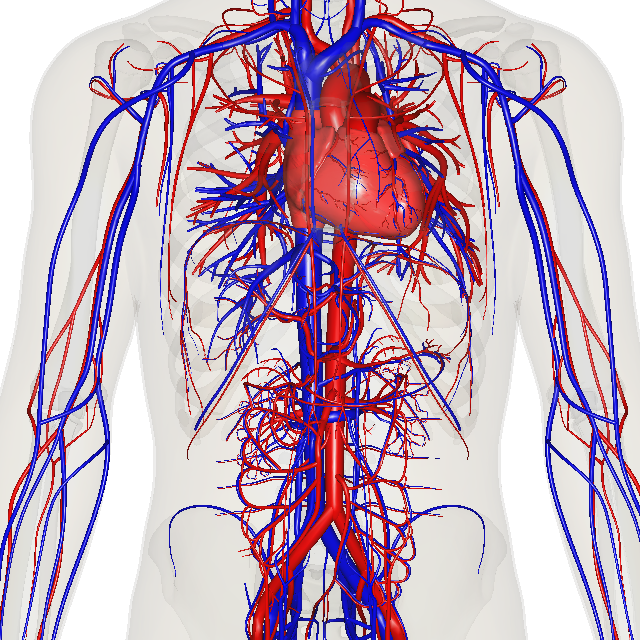


The circulatory system is made up of the blood vassels that contains the veins,the arteries and the capillaries.The heart is a very,very important part too.If we haven't got a heart we can't live.The action of the heart is to bumb.It bumbs like sixty or one hundred times per minute.


The blood vassels transport all the blood into all the body.When we do an injury we lost a little bit of blood or when a tooth falls we lost blood but later we have a crust and it cures.


The brain send "instruction" to all the body including the heart so the brain helps the circulatory system.


I hope you liked my work thanks for see it!
Carlota 6A
                                       the respiratory system


the respiratory system served to breathe.

this is the respiratory system


parts of the system

nasal cavity
pharynx
larynx
trachea
bronchioles 
bronchi
lungs 
diaphragm

Sofía Sánchez-Bleda Urbiola


           THE DIGESTIVE SYSTEM
Hello, today i´m going to talk about the digestive system. I hope that you like.
The digestive system funtion is to transform food into nutrients, there funtion is so important because if the digestive system doesn´t exist will have many problems with the body.
It has two parts: the digestive tract and the digestive glands.
The digestive tract it has a tube that have two ways, the mouth and the anus.
The digestive glands, help with the digestion.
Food goes all througth the digestive tract and the digestive glands release chemicals into the digestive tract to help with the digestion.
h9991403_002.jpg
The digestive system have 9 parts:

1-Mouth
2-Esophagus
3-Liver
4-Stomach
5-Gallabladder
6-Pancreas
7-Large intenstine
8-Small intestine
9-Rectum

1-The mouth has salivary glands that produce saliva, teeth that chew food and a tongue that mixes chewed food with saliva to form a ball of food.
2-The esophagus is a muscular tube that transports saliva liquid and food from the mouth to the stomach .
3-The liver secretes bile.
4-The stomach is where the food mixes with gastric juices.
5-The gallabladder  is a small storage organ located inferior and posterior to the liver.
6-The pancreas is an organ peritoneal mixed.
7-The large intestine represents the end of the digestive tract.
8-The small intestine is the longest part of the diggestive tract. Nutrients pass into the blood trough its walls.
9-The rectum acts a temory storage facility for feces/ waste material.


excretory sistem

The excretory system is a passive biological system that removes excess, unnecessary materials from an organism, so as to help maintain homeostasis within the organism and prevent damage to the body.


It is responsible for the elimination of the waste products of metabolism.
As it involves several functions that are only superficially related, it is not usually used in more formal classifications of anatomy or function.

Are healthier functioning bodies produce metabolic and other waste throughout the body depends on the system function; However, only bodies specifically for the excretion process are considered a part of the excretory system.
THE PARTS ARE :

Kidneys
The kidneys are bean shaped organs which are present in each of the sides of the vertebral column in the abdominal cavity. Humans have two kidneys and each kidney is supplied with blood from the renal artery. The kidneys remove the nitrogenous wastes such as urea from the blood, and salts.


Liver
The liver detoxifies and breaks down chemicals, poisons and other toxins that enter the body. For example, the liver transforms ammonia. The liver also produces bile, and the body uses bile to breakdown fats into usable fats and unusable waste.

Bile
 It`s then secreted within the small intestine where it helps to break down ethanol, fats and other acidic wastes including ammonia  into harmless substances.


Large intestine
The large intestine collects waste from throughout the body. It extracts any remaining usable water and then removes solid waste. 


respiratory system

                                                     RESPIRATORY SYSTEM 
HELLO THIS PROJECTIS ABOUT:

  • THE RESPIRATORY SYSTEM IS ONE OF THE 4 SYSTEMS
  1. DIGESTIVE SYSTEM
  2. CIRCULATORY SYSTEM
  3. EXCRETORY SYSTEM 
  4. RESPIRATORY

THE RESPIRATORY SYSTEM IS THE ONE THAT TAKES THE OXIGEN AND REMOVE THE CARBON DIOXIDE

  • THE PARTS ARE:
  1. BRONQUI
  2. LUNGS
  3. NASAL CAVITY
  4. DIAPHRAGM
  5. PHARYNX
  6. LARYNX

THE RESPIRATORY SYSTEM CONSIST IN
TUBES AND MUSCLES APART FROM THE LUNGS

miércoles, 10 de diciembre de 2014


HELLO TODAY I AM GOING TO PRESENT THE DIGESTIVE SYSTEM
            

             DIGESTIVE SYSTEM
The digestive system transform food in nutrients.

The digestive system have two parts:the digestive tract and the digestive glands.

The parts of the digestive tract and the digestive glands are:
Mouth,oesophagus,liver,small intestine,pharynx,
stomach,pancreas and large intestine.

The mouth has the salivary,the glands,the teeth and the tongue.

The oesophagus is connected to the stomach
The pharynx is connected to the oesophagus.

There are two intestines the small intestine and the large intestine.
by: Laura Pérez Villar

domingo, 7 de diciembre de 2014

RESPIRATORY SYSTEM

                             THE RESPIRATORY SYSTEM

The respiratory system is one of the four important systems that are: the digestive system, the excretory system, the circulatory system, and this one. But there are more systems like the nervous system...

This system consist of many organs and structures that makes us to breathe.It have in it the intake and the exchange of oxygen and carbon dioxide, both of them are gases.

Like in other vertebrates respiration takes place in the lungs.

LET'S SEE A VIDEO TO UNDERSTAND MORE:


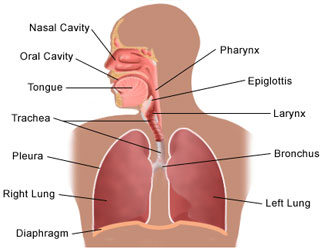
The parts of this component are: paranasal sinuses, respiratory center, nasal cavity, nose hairs, pharynx, epiglottis, esophagus, larynx, trachea, the two bronchies, the pulmonary vessels, ribs, the lungs and the diaphragm.

IF YOU NEED WHERE ARE THIS PARTS HERE YOU'RE:

 In other groups of animals don't breathe like us. For example, horses are obligate nasal breathers so when they run the respiratory system obligate them to breathe with it noses.

And the fish, to breathe in the water they used gills,and the amphibians used it lungs and the skin at respiratory systems

I finish with a photo and obviously I hope you liked it¡¡¡